

Product Search

PPE Knowledge
Glove selection guide - how to choose your best gloves?
THREE MAIN QUESTIONS:
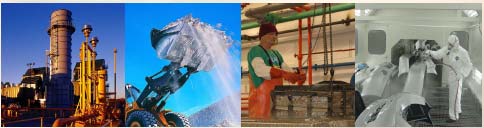
The working environment
·outdoor, indoor, dry, wet, oily, greasy, dirty, sterilized, etc…
Possible harms to hands
·abrasions, punctures, cuts, snags, chemicals, cold, heat, etc…
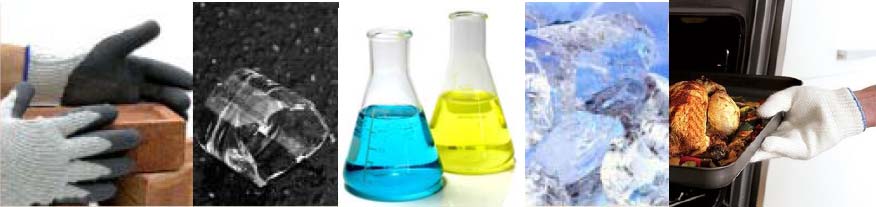
Features of the specific work
·construction, machining, utilities, precision assembly, food industry, petrochemicals, etc…

For your convenience, we have categorized our working gloves mainly based on their
materials, manufacture processes and specific functions, the three key points you might
consider when choosing your most suitable working gloves.
1. Materials:
Lining textiles
COTTON:
Offers comfort and breathability for general applications. Resistant to abrasion and temperatures up to
250°C.
POLYESTER:
Synthetic and durable fibre with low absorption of moisture, resists shrinkage when washed.
POLYAMIDE:
Stretchable and thin synthetic material, offers a good abrasion and tear resistance.
BAMBOO FIBRE:
Cellulose fibre extracted or fabricated from natural bamboo (and possibly other additives), UV protective
and antifungal.
It absorbs and evaporates sweat quickly, keeps more warmth in cold weather and is highly breathable in
hot weather. Also its anti-static feature makes the material not clinging to skin and wear more
comfortable.
SPANDEX/ ELASTANE:
Synthetic fibre known for its exceptional elasticity. It is usually mixed with cotton or polyester, and
accounts for a small percentage of the final fabric, which therefore retains most of the look and feel
of the other fibers.
LYCRA:
Lycra® is a type of stretch fiber, which is a registered trademark of Invista, formerly DuPont. It is the
most recognized and popular brand of spandex throughout the world.
PARA-ARAMID ( KEVLAR ): The para-aramid fibre offers superior resistance to cut, heat (carbonises
at around 450°C) and abrasion. The fibre maintains high dexterity and offers excellent comfort.
DYNEEMA:
High-strength polyethylene fibre offering excellent cut and abrasion resistance. Unaffected by a large
number of chemical products.
META-ARAMID ( NOMEX ):
Synthetic fibre, very good resistance to cut and heat. Optimal resistance to abrasion, very soft.
Leather/synthetic leather
Leather is a comfortable and breathable natural material and usually two parts are used in glove
making: the grain, the outer part of the leather and the split. The grain provides the glove with a good
abrasion and tear resistance.
Split leather gloves are used for heavy handling and offer a very good abrasion resistance. In both cases,
leather is really flexible and brings a high level of dexterity to its users.
Some special treatments can be made in order to bring the leather some additional qualities:
1) WATER- AND OIL-REPELLENT LEATHER
The leather is treated with minerals, synthetic oils or fluoroplastics to make it water/oil-resistant. This treatment improves the glove's flexibility and thus ensures improved comfort and excellent
dexterity.
Advantages: flexibility, increased shelf-life, comfort, precision in use, dexterity.
2) HEAT-RESISTANT LEATHER
The leather is treated to make it more resistant to heat and to decrease its tendency to shrink upon
contact with a flame. The treatment enables the leather to remain supple even after prolonged contact
with a heat source. It is generally applied to split leather.
Synthetic leather offers excellent touch, dexterity, abrasion-resistance and breathability like leather, with great resistance to shrinkage, stretching and hardening.
Washable and durable.
Chemical coating
NITRILE:
Nitrile is a synthetic rubber, which gives brilliant resistance to a broad variety of solvents and some
hazardous chemicals including acids, greases, oils, caustics & petroleum products and resists to
puncture, snag, cut, and abrasion.
NITRILE FOAM:
This coated material brings additional flexibility and breathability to the nitrile.
NEOPRENE:
Synthetic material, has a good resistance to cold and keeps its flexibility despite fluctuations in
temperature. It offers an excellent resistance to organic and aliphatic solvents, oils and caustics,
and inorganic acids.
LATEX:
Natural material, high level of comfort thanks to its high flexibility. Provides an excellent grip and a
good resistance to abrasion.
PVC:
Very good resistance to abrasion, protects from grease and oil, and resists very well to acids,
bases and alcohols.
POLYURETHANE:
In addition to a very good grip, this synthetic material provides a good a good abrasion resistance
and is very breathable.
Chemical features of common glove coating chemicals:
| ||||||||||||||||||||||||||||||||||||||||||||||||||||||||||||||||||||||||